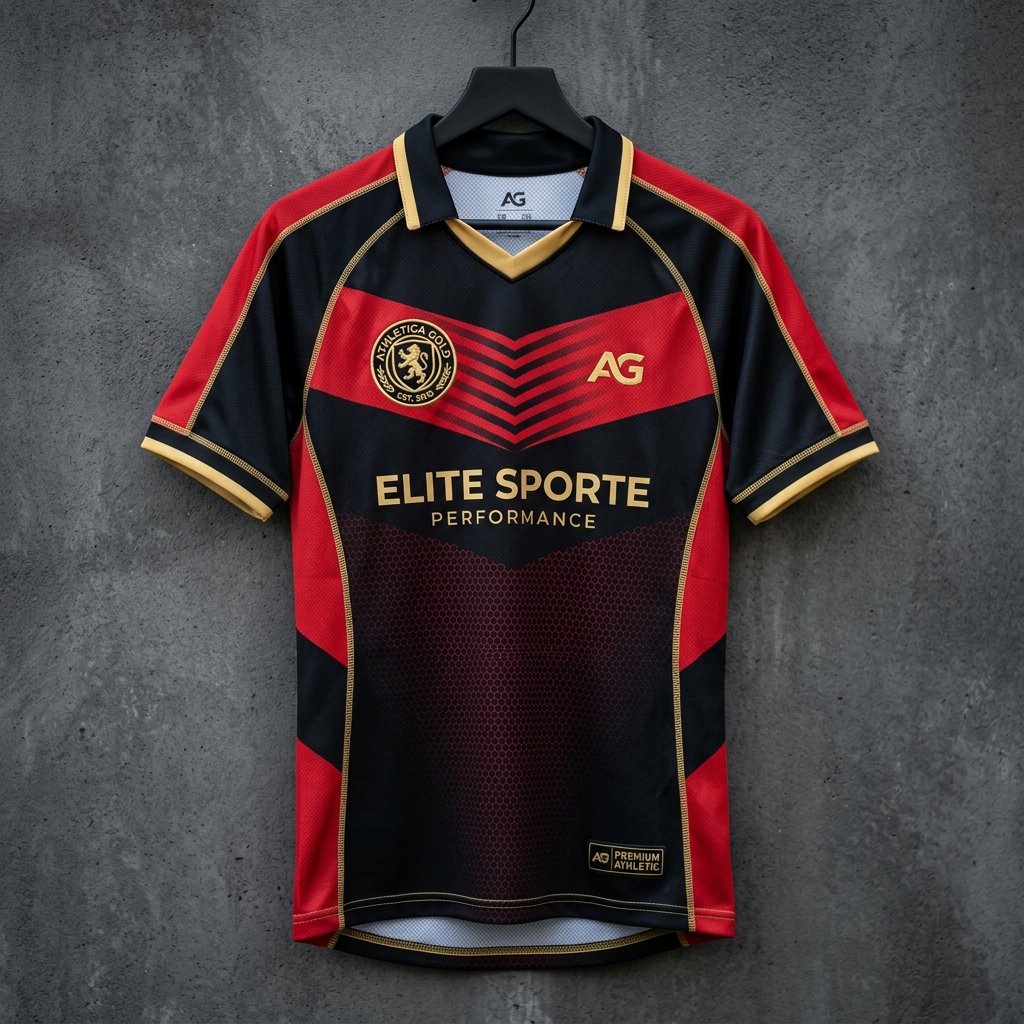
Discover how to partner with Sialkot manufacturers for high-quality, custom-sublimated sportswear. Learn about shipping, custom branding, and import compliance for US and EU markets.
The Complete Guide to Importing Custom Sportswear from Sialkot, Pakistan
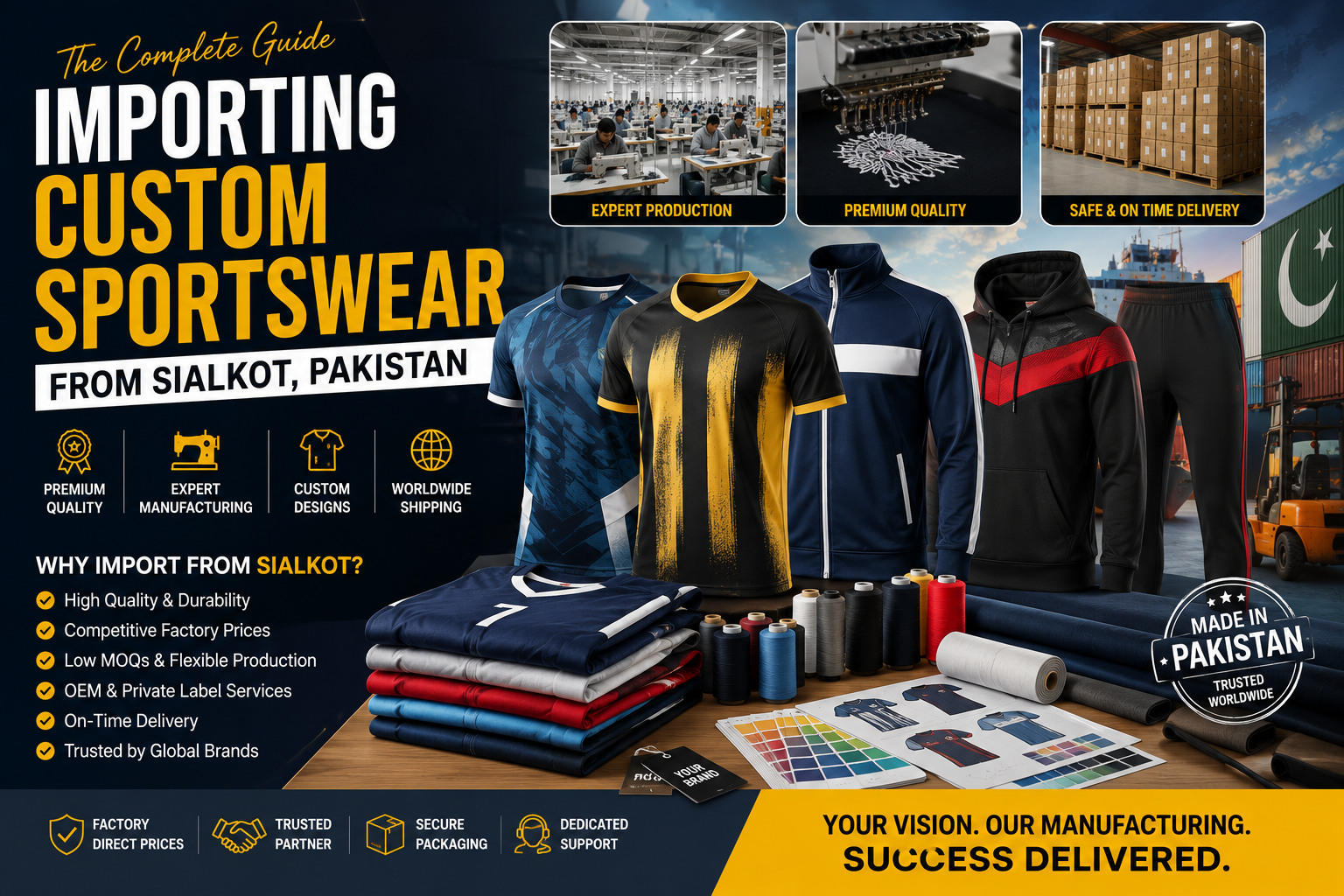
If you're planning to launch your own sportswear brand, supply team uniforms, or expand your wholesale business, importing custom sportswear from Sialkot, Pakistan is one of the smartest decisions you can make. Known worldwide for its sports manufacturing expertise, Sialkot has become a preferred sourcing destination for brands, distributors, sports clubs, retailers, and startups seeking high-quality custom apparel at competitive prices.
This guide explains the complete importing process—from choosing a reliable manufacturer to receiving your shipment.
Why Import Sportswear from Sialkot?
Sialkot has been a global manufacturing hub for sports goods and sportswear for decades. Buyers from the USA, UK, Canada, Australia, Europe, and the Middle East source custom apparel from Sialkot because of its skilled workforce, OEM capabilities, flexible customization, and export experience.
Key Advantages
- Factory Direct Pricing
- OEM & Private Label Manufacturing
- Premium Performance Fabrics
- Low to Flexible MOQs
- Advanced Sublimation Printing
- Worldwide Shipping
- Experienced Export Teams
- Competitive Production Costs
- High Quality Standards
Step 1: Define Your Product Requirements
Before contacting a manufacturer, prepare your product specifications.
Include:
- Product Type
- Quantity
- Fabric Preference
- Colors
- Size Chart
- Logo Files
- Printing Method
- Packaging Requirements
- Delivery Country
The clearer your requirements, the faster and more accurately manufacturers can prepare quotations.
Step 2: Choose the Right Manufacturer
Not every supplier is a factory. Some are trading companies or middlemen.
A reliable sportswear manufacturer should offer:
- Direct Factory Production
- OEM & Private Label Services
- Product Sampling
- Quality Control
- Export Experience
- Fast Communication
- Custom Design Support
Always ask for factory photos, production capabilities, certifications (if applicable), and previous manufacturing work before placing an order.
Step 3: Request Samples
Never place a bulk order without testing a sample.
Check the sample for:
- Fabric Quality
- Stitching
- Print Quality
- Color Accuracy
- Measurements
- Overall Finish
- Packaging
A good sample helps avoid costly production mistakes.
Step 4: Confirm Customization Options
One of the biggest benefits of sourcing from Sialkot is complete customization.
Typical options include:
- Sublimation Printing
- Screen Printing
- Embroidery
- Heat Transfer Logos
- Silicone & TPU Logos
- Custom Neck Labels
- Woven Labels
- Hang Tags
- Polybags
- Custom Packaging
- Player Names & Numbers
- Sponsor Logos
- Pantone Color Matching
Step 5: Understand Minimum Order Quantities (MOQ)
MOQ varies depending on the product, customization, and factory.
Some manufacturers support lower MOQs for startups, while larger production runs generally reduce the cost per unit. Discuss MOQ and pricing before approving production.
Step 6: Production Process
Most custom sportswear orders follow these stages:
- Inquiry
- Quotation
- Sample Development
- Sample Approval
- Production
- Quality Inspection
- Packing
- Export Documentation
- Shipping
- Delivery
A professional manufacturer will keep you updated throughout production.
Step 7: Quality Control
Quality inspection is one of the most important parts of importing.
Professional factories inspect:
- Fabric
- Stitching
- Measurements
- Printing
- Embroidery
- Labels
- Packaging
- Final Cartons
Many buyers also request pre-shipment inspections before goods leave the factory.
Step 8: Shipping Options
Depending on your budget and delivery timeline, you can choose:
Air Freight
- Fast delivery
- Ideal for samples and urgent orders
Sea Freight
- Best for bulk shipments
- Lower shipping cost
- Suitable for wholesalers and distributors
Discuss shipping terms such as EXW, FOB, or CIF with your supplier before finalizing the order.
Step 9: Customs & Import Documents
A professional exporter should provide all required documents, such as:
- Commercial Invoice
- Packing List
- Bill of Lading / Air Waybill
- Certificate of Origin (when required)
- Export Documents
Always check your country's import regulations before shipping.
Step 10: Build a Long-Term Manufacturing Partnership
The best buyers don't switch factories every order.
Working with one trusted manufacturer offers benefits like:
- Consistent Quality
- Faster Repeat Orders
- Better Pricing
- Easier Communication
- Improved Production Planning
- Long-Term Business Growth
Why Choose US SPORT CLUB?
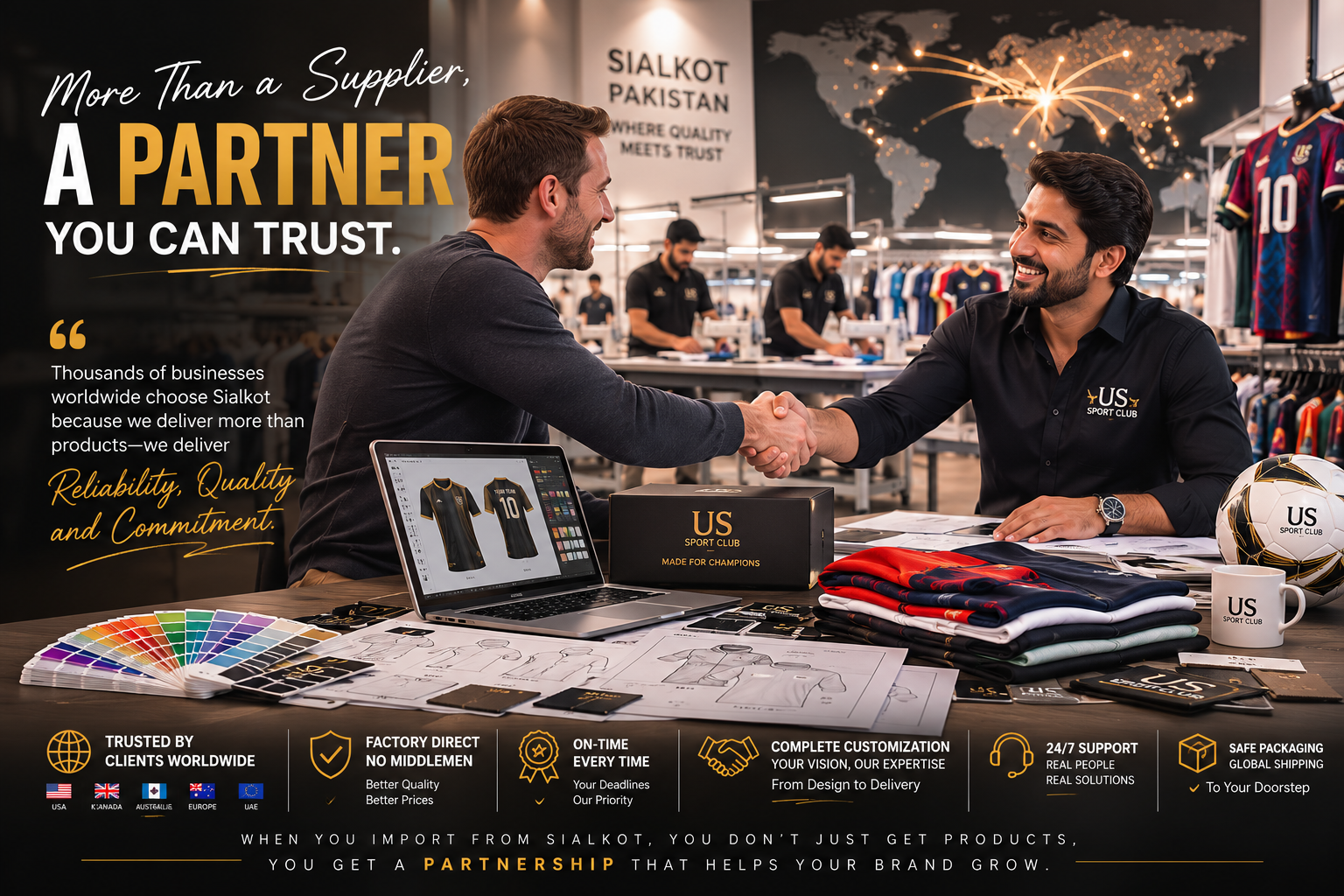
At US SPORT CLUB, we specialize in manufacturing premium custom sportswear for brands, distributors, wholesalers, academies, schools, and sports clubs worldwide.
We offer:
- OEM Manufacturing
- Private Label Production
- Custom Team Uniforms
- Fitness Apparel
- Basketball Uniforms
- Soccer Jerseys
- Baseball Uniforms
- Cricket Uniforms
- Rugby Apparel
- Sublimation Printing
- Embroidery
- Custom Packaging
- Worldwide Export
Whether you're launching a new brand or scaling an existing business, our team is committed to delivering export-quality products with reliable service.
Conclusion
Importing custom sportswear from Sialkot is a straightforward process when you work with the right manufacturing partner. By defining your requirements, requesting samples, confirming customization, maintaining quality control, and choosing the appropriate shipping method, you can build a reliable supply chain for your business. Sialkot's strong manufacturing ecosystem, competitive pricing, and export expertise continue to make it one of the world's leading destinations for custom sportswear sourcing.
